Moving House on a Rainy Day: How to Protect Your Belongings
Move Cost Calculator Team
content compiled from credible research to provide accurate, reliable information.

Quick Answer| Last updated: May 2026
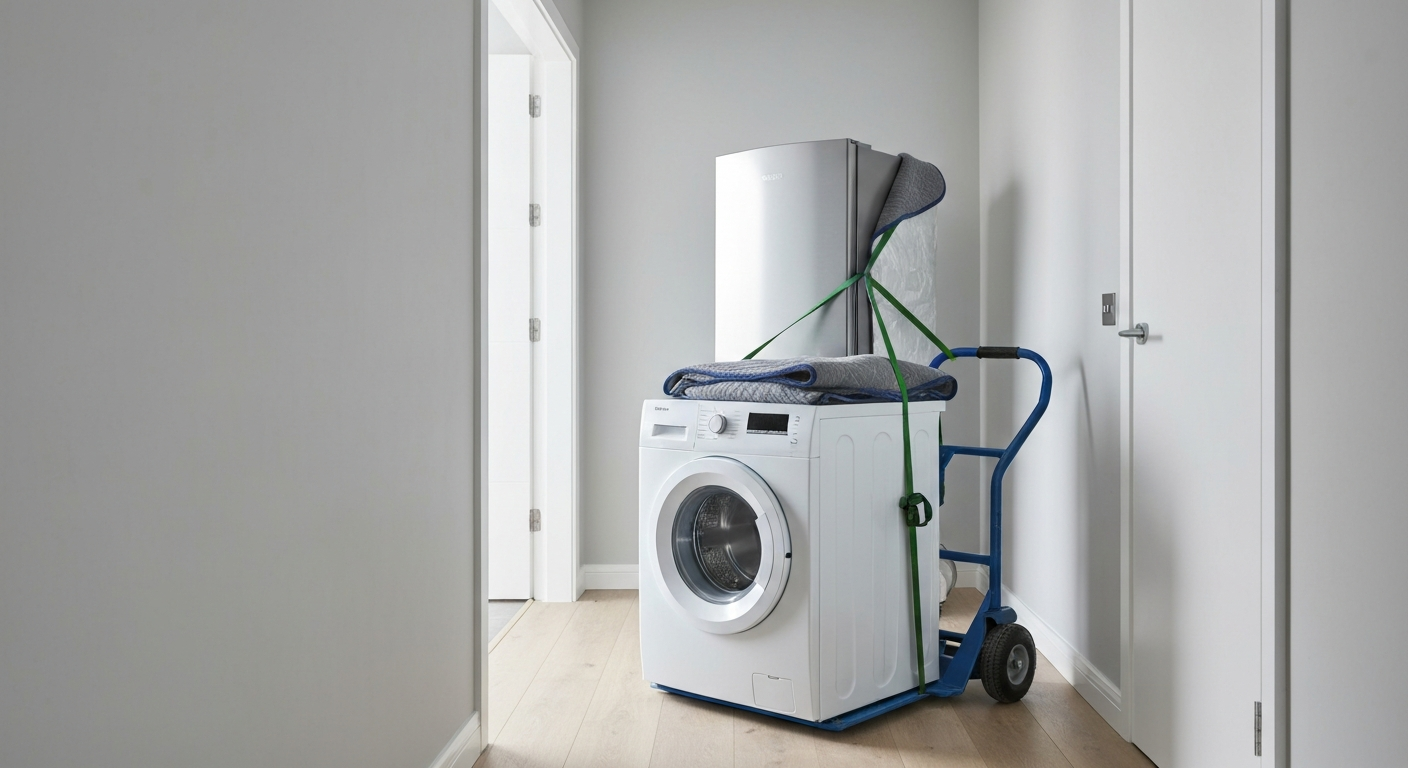
Use heavy-duty plastic sheeting or shrink wrap to protect furniture and mattresses. Line cardboard boxes with bin bags to waterproof them, and lay down Ram Board or heavy-duty carpet protectors in both houses to prevent mud damage.
In the UK, rain on moving day is a highly likely scenario. Learn how to protect your furniture, boxes, and carpets from water damage when moving in bad weather.
Key Takeaways
- •Plan Early: Start planning your move at least 6-8 weeks in advance to secure the best dates and rates.
- •Compare Quotes: Always compare at least 3 local removal quotes to ensure you get a fair market price.
- •Declutter: Reducing the volume of your belongings is the most effective way to lower your moving costs.
Want a quick estimate before you read the full guide?
Use our moving cost calculator →Given the unpredictable nature of UK weather, there is a strong chance you might end up moving house during a downpour. While rain makes moving more tedious, it doesn't have to result in ruined furniture or mud-stained carpets. With the right preparation, you can keep your belongings safe and dry.
This guide provides actionable tips for protecting your items, your home, and yourself when moving house on a rainy day.
Quick Answer
Use heavy-duty plastic sheeting or shrink wrap to protect furniture and mattresses. Line cardboard boxes with bin bags to waterproof them, and lay down Ram Board or heavy-duty carpet protectors in both houses to prevent mud damage. If you're still planning your move, check our floor protection guide.
1. Waterproofing Your Belongings
Cardboard boxes lose their structural integrity rapidly when wet. If a box gets soaked, the bottom will fall out when lifted.
- Line boxes with bin bags: For highly sensitive items like books or electronics, place a heavy-duty bin bag inside the box, put the items in, tie the bag shut, and then seal the box. Use our packing box calculator to ensure you have enough supplies.
- Shrink wrap furniture: Professional movers use industrial shrink wrap. You can buy rolls of this from hardware stores to tightly wrap sofas, armchairs, and wooden furniture to keep water off the upholstery and veneer.
- Use mattress bags: Never move a mattress in the rain without a dedicated plastic mattress bag. A wet mattress will quickly develop mould.
2. Protecting the Properties
Constant foot traffic between the wet outdoors and your clean indoors will quickly ruin carpets and hard floors.
Safety Warning
Avoid using loose cardboard boxes flattened on the floor to protect carpets. When wet, cardboard becomes incredibly slippery and poses a severe slipping hazard while carrying heavy furniture.
Instead, use self-adhesive carpet protector film (which sticks directly to the carpet) or heavy-duty floor runners like Ram Board. Set up an "assembly line" system if possible: have one team inside passing items to the door, and an "outside team" taking them to the van. This prevents wet shoes from ever entering the house.
3. Managing the Move Logistics
Keep an eye on the Met Office forecast. If the rain is torrential, wait for a break in the weather to move your most valuable or vulnerable items, like electronics or antique furniture.
- Park closely: Get the removal van as close to the front door as legally and safely possible to minimize outdoor exposure time.
- Have towels ready: Keep a stack of old towels in the new house to immediately wipe down any furniture or plastic wrap that gets wet before water can seep in.
- Prepare a hot drink station: Have the kettle accessible. A hot cup of tea goes a long way in keeping morale high during a miserable, wet move.
If you are moving in the colder months, rain can easily turn to ice. For specific advice on cold weather logistics, read our guide on moving house in winter.
Leave it to the Professionals?
Professional removal companies have the equipment and experience to handle bad weather efficiently. Use our tools to compare quotes and find a reliable team.
Official & Trustworthy Resources
For further official guidance on moving house in the UK, we recommend consulting the following trusted organisations:
Frequently Asked Questions
How much does it cost to move house in the UK?
The average cost of moving house in the UK ranges from £800 to £2,500 depending on property size, distance, and whether you use professional packing services.
What affects removal company prices?
Key factors include the volume of your belongings, the distance of the move, ease of access (stairs, parking), and the time of year (weekends and summer are more expensive).
Are removal costs higher on weekends?
Yes, Fridays and Saturdays are the most popular days to move, meaning removal companies often charge a premium. Moving mid-week can save you up to 20%.
Can I reduce moving costs by comparing quotes?
Absolutely. We recommend comparing at least 3 local quotes from verified removal companies to ensure you get a fair market rate and avoid overpaying.
Ready to Estimate Your Moving Costs?
Use our free, AI-powered moving cost calculator to get an instant, accurate estimate for your UK house move. No hidden fees, just honest pricing.