What Size Van Do I Need? Deep Dive into Luton vs. Transit Capacities
Move Cost Calculator Team
content compiled from credible research to provide accurate, reliable information.
Quick Answer| Last updated: May 2026
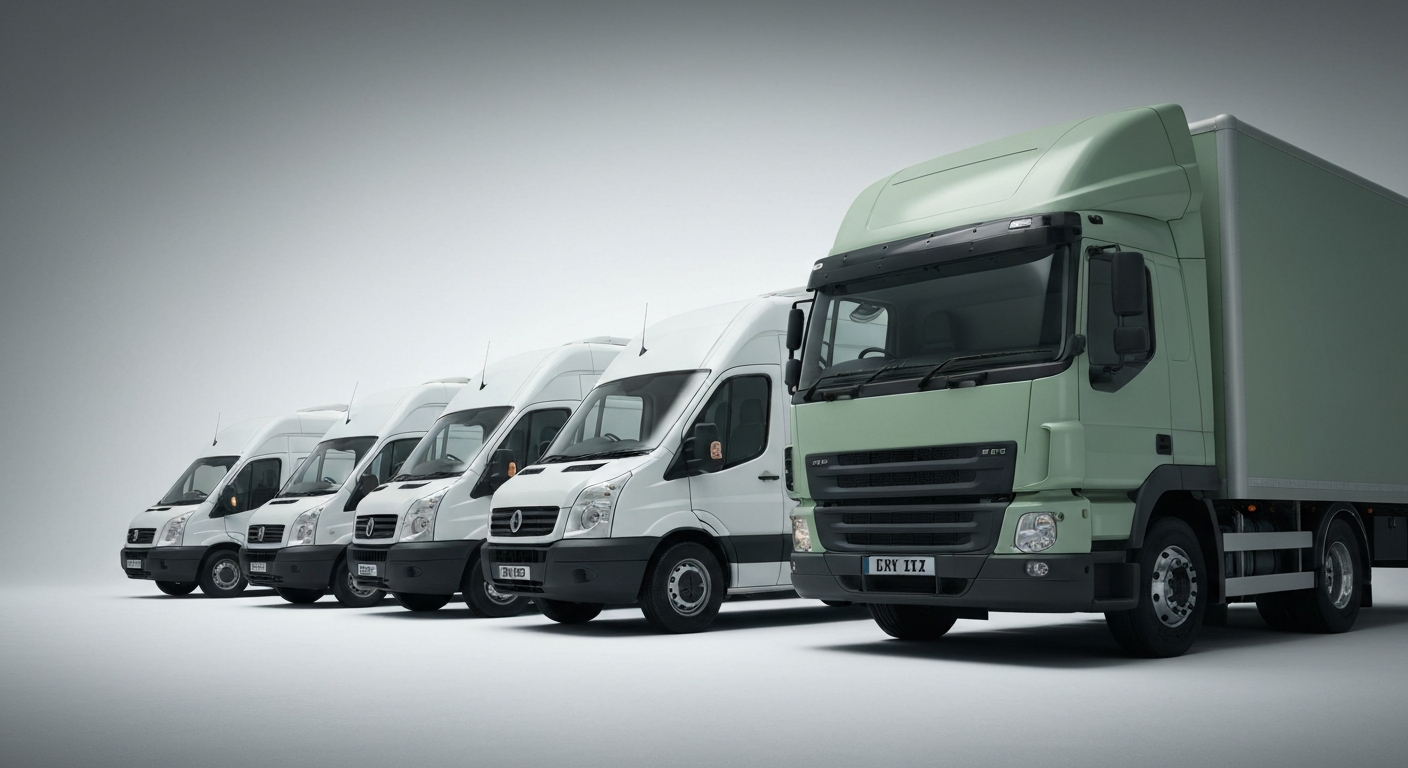
A standard Transit van is for small studio moves. A Luton van (with tail lift) is the industry standard for 1-2 bedroom flat moves. A 3-bedroom house usually requires a 7.5-tonne lorry or two large Luton vans.
Don't pay for space you don't use. Learn how to choose the right van size for your move based on volume and weight.
Key Takeaways
- •Plan Early: Start planning your move at least 6-8 weeks in advance to secure the best dates and rates.
- •Compare Quotes: Always compare at least 3 local removal quotes to ensure you get a fair market price.
- •Declutter: Reducing the volume of your belongings is the most effective way to lower your moving costs.
Want a quick estimate before you read the full guide?
Use our moving cost calculator →Choosing the right van size is one of the most critical decisions in a DIY move. Pick a van that's too small, and you'll face the nightmare of multiple trips, doubling your fuel costs and potentially missing your key handover deadline. Pick one that's too large, and you're paying for unused space and navigating a vehicle that might be difficult to park in residential UK streets.
In this comprehensive deep dive, we break down the most common UK moving van sizes—from the nimble Short Wheelbase (SWB) Transit to the cavernous 7.5-tonne lorry. We'll explore usable volumes, payload limits, and real-world "what fits" scenarios to ensure your moving day goes without a hitch. Whether you're moving a few boxes from a studio or the entire contents of a four-bedroom family home, understanding these capacities is the first step toward a successful relocation.
According to official UK government guidance, driving a van involves different rules than driving a car, particularly regarding weight limits and speed restrictions.
Not sure which van to hire?
Our interactive calculator analyzes your specific furniture and box count to give you a tailored recommendation.
UK Moving Van Size Comparison Guide
1. Short Wheelbase (SWB) Transit
The "Standard" Panel Van
The SWB Transit is the most common van on UK roads. It's incredibly easy to drive, fitting into most standard parking spaces and navigating narrow city streets with ease. It's the go-to choice for student moves, single-room relocations, or picking up a few large items of furniture from a local store.
What Fits:
- 20-35 medium boxes
- A single bed and mattress
- A small 2-seater sofa (disassembled)
- Dining table and 2 chairs
Pro Tip:
The SWB is perfect for "overflow" items if you've hired a larger van but still have a few delicate pieces or plants that shouldn't be crushed in the main load.
2. Long Wheelbase (LWB) Transit
The High-Top Workhorse
The LWB Transit offers significantly more length and height than its SWB cousin. This extra space is crucial for longer items like 3-seater sofas, dining tables, and large mattresses. It's a popular choice for 1-bedroom flat moves where you have a moderate amount of furniture.
What Fits:
- 40-55 medium boxes
- Double bed and mattress
- 3-seater sofa and armchairs
- Washing machine, dishwasher, and fridge
Pro Tip:
LWB vans often come with a "High Roof" option. If you have tall wardrobes or a large fridge-freezer that must remain upright, always verify the internal height before booking.
3. 3.5 Tonne Luton Van
The Professional Standard
Recognisable by the "box" over the cab, the Luton van is designed specifically for removals. Its square interior walls make stacking boxes much easier and more stable than the curved walls of a standard panel van. The "Luton" compartment over the driver's seat is perfect for light but bulky items like bedding and pillows.
What Fits:
- 60-90 medium boxes
- King-size bed, wardrobes, and chests of drawers
- Full dining room set and large L-shaped sofa
- All major white goods and garden furniture
Pro Tip:
Luton vans often feature a tail-lift. If you're moving alone or have heavy items like a piano or a solid oak sideboard, a tail-lift is a non-negotiable safety feature.
The Payload Trap: Don't Overload!
Most people focus on volume (how much space is inside), but payload (how much weight the van can carry) is equally important. A standard 3.5t Luton van often has a payload of only 1,000kg to 1,200kg. This is because the heavy box body itself takes up a large portion of the 3.5-tonne weight limit.
If you fill a Luton van with heavy books, solid oak furniture, and white goods, you will likely exceed the legal weight limit. Driving an overloaded vehicle in the UK can result in heavy fines, points on your license, and invalidated insurance. Check Gov.uk's vehicle weight guidance for detailed legal limits.
Technical Specs: Van Dimensions at a Glance
While exact dimensions vary by manufacturer (Ford, Mercedes, Volkswagen, etc.), the following table provides a reliable guide for the standard UK rental fleet in 2026.
| Van Type | Internal Length | Internal Width | Internal Height | Cubic Capacity |
|---|---|---|---|---|
| SWB Transit | 2.4m | 1.7m | 1.4m | 6-7m³ |
| LWB Transit | 3.4m | 1.7m | 1.8m | 10-12m³ |
| XLWB Transit | 4.1m | 1.7m | 1.8m | 14-15m³ |
| 3.5t Luton | 4.0m | 2.0m | 2.2m | 18-22m³ |
| 7.5t Lorry | 6.1m | 2.3m | 2.4m | 30-40m³ |
Real-World Moving Scenarios
Scenario: 1-Bedroom Flat
A typical 1-bedroom flat contains a double bed, a sofa, a dining set, and roughly 40 boxes. While an LWB Transit can fit this, it's often a tight squeeze.
Recommendation: LWB Transit for minimalist moves; Luton Van for a comfortable single-trip move.
Scenario: 3-Bedroom House
A 3-bedroom house usually involves multiple beds, large wardrobes, white goods, and 80+ boxes. A single 3.5t Luton van is almost never enough for a one-trip move.
Recommendation: Two 3.5t Luton vans or one 7.5t Lorry (requires C1 license).
Legal Requirements & Driving Tips
Driving a van is not like driving a car. You must be aware of several legal and safety factors before you set off on moving day.
- License Requirements: Most 3.5t vans can be driven on a standard Category B license. For 7.5t lorries, you need Category C1. Check your license categories carefully.
- Speed Limits: In the UK, vans are subject to lower speed limits on certain roads. On single carriageways, the limit is often 50mph (not 60mph), and on dual carriageways, it's 60mph (not 70mph). Motorways remain at 70mph unless specified.
- Height Restrictions: A Luton van is much taller than a car. Be extremely careful with low bridges, overhanging trees, and multi-storey car parks.
For more detailed advice on hiring and driving, Which? provides an excellent van hire guide that covers insurance and common pitfalls.
Packing Guide
Efficient packing starts with the right boxes. Don't guess—calculate your needs.
Use Box CalculatorDIY vs Pro
Is DIY really cheaper? Compare the cost of van hire vs. professional movers.
Read DIY vs ProMoving Costs
Need a total budget? Estimate your full removal costs in under 60 seconds.
Estimate CostsVan Size & Logistics FAQs
Q: Can I drive a Luton van on a standard UK license?
Yes, most 3.5-tonne Luton vans can be driven on a standard Category B license. However, always check the vehicle's Gross Vehicle Weight (GVW) on the rental agreement.
Q: How many trips will a Transit van take for a 1-bed flat?
Usually 1 to 2 trips depending on how much furniture you have. A Long Wheelbase (LWB) Transit can often handle a minimalist 1-bed flat in a single trip.
Q: What is the 'Luton' part of the van?
The 'Luton' is the compartment that extends over the driver's cab. It's perfect for light but bulky items like bedding, pillows, or small boxes.
Q: Are tail lifts necessary?
If you have heavy items like washing machines, fridges, or solid wood wardrobes, a tail lift is essential for safety and to prevent injury.
Q: What happens if I'm caught driving an overloaded van?
The DVSA can stop you and weigh the vehicle. If you are over the limit, you can be fined up to £300 and prevented from driving further until the excess weight is removed.
Q: Do I need a special permit for a 7.5t lorry?
If you passed your car test after Jan 1st, 1997, you do not automatically have 'C1' entitlement. You would need to take an additional test to drive a 7.5t lorry.
Q: What is the best way to load a van?
Always place the heaviest items (white goods, wardrobes) against the bulkhead (the wall behind the driver) and secure them with straps. Pack boxes tightly to prevent shifting.
Q: Should I buy van insurance for my move?
Rental companies provide basic insurance, but it often has a high excess (£500-£1,500). Consider taking out 'Excess Waiver' insurance for peace of mind.
Q: Can I drive a van into London's ULEZ zone?
Most modern diesel vans (Euro 6) are ULEZ compliant. However, older vans will incur a daily charge. Check your registration on the TfL website before traveling.
Q: How much fuel does a Luton van use?
A fully loaded Luton van typically achieves 20-25 miles per gallon (MPG). Factor this into your moving budget, especially for long-distance moves.
Ready to get moving?
Don't leave your moving day to chance. Use our tools to ensure you have the right van, the right budget, and the right help for a seamless relocation.
Official & Trustworthy Resources
For further official guidance on moving house in the UK, we recommend consulting the following trusted organisations:
Frequently Asked Questions
How much does it cost to move house in the UK?
The average cost of moving house in the UK ranges from £800 to £2,500 depending on property size, distance, and whether you use professional packing services.
What affects removal company prices?
Key factors include the volume of your belongings, the distance of the move, ease of access (stairs, parking), and the time of year (weekends and summer are more expensive).
Are removal costs higher on weekends?
Yes, Fridays and Saturdays are the most popular days to move, meaning removal companies often charge a premium. Moving mid-week can save you up to 20%.
Can I reduce moving costs by comparing quotes?
Absolutely. We recommend comparing at least 3 local quotes from verified removal companies to ensure you get a fair market rate and avoid overpaying.
Ready to Estimate Your Moving Costs?
Use our free, AI-powered moving cost calculator to get an instant, accurate estimate for your UK house move. No hidden fees, just honest pricing.