Moving House in Winter: How to Deal with Ice, Dark Evenings & Delays
Move Cost Calculator Team
content compiled from credible research to provide accurate, reliable information.
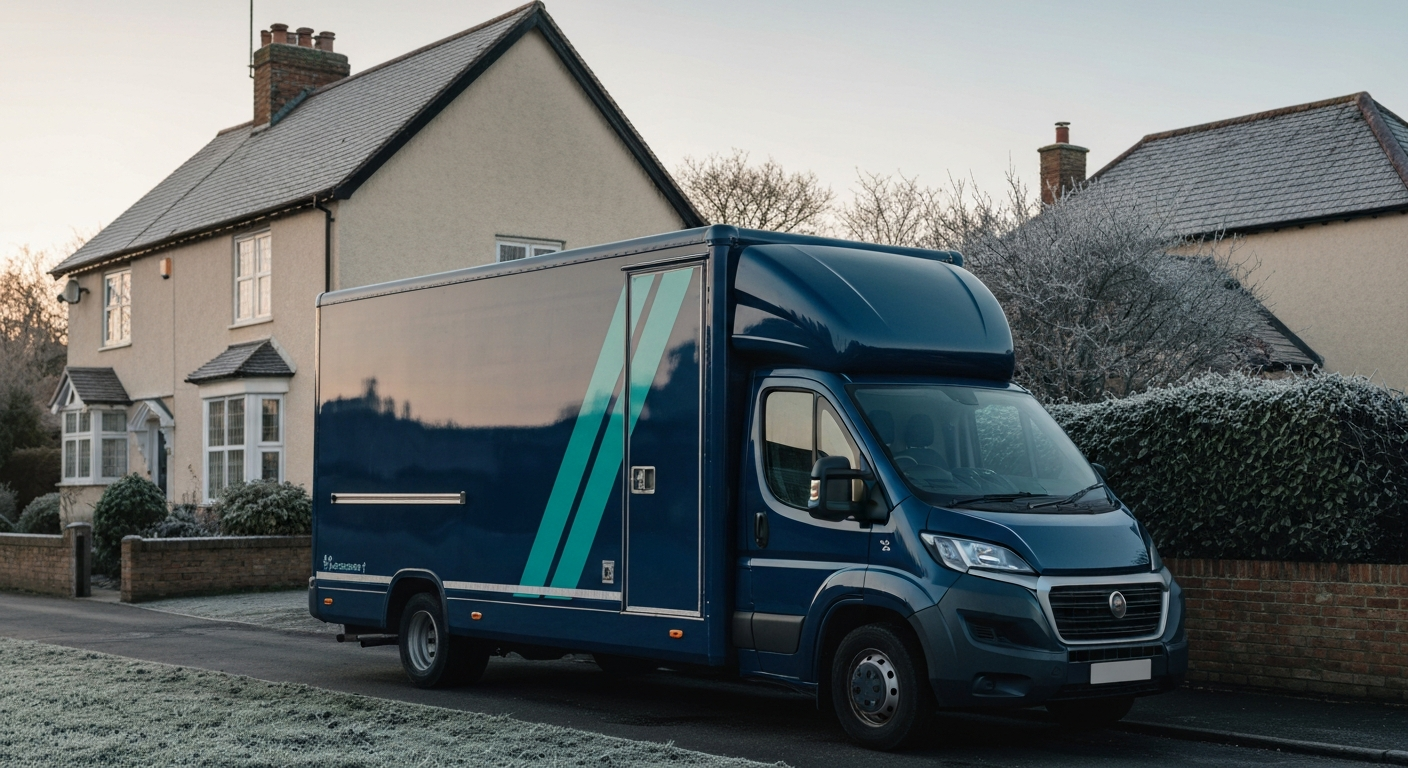
Quick Answer| Last updated: May 2026
Winter moves are often 10-15% cheaper due to lower demand. Ensure you have salt/grit for icy paths, protect your floors from mud, and start the move as early as possible to maximize daylight hours.
Everything you need to know about moving house in winter in the UK — from icy paths and short daylight hours to the cost advantages of off-peak moving.
Key Takeaways
- •Plan Early: Start planning your move at least 6-8 weeks in advance to secure the best dates and rates.
- •Compare Quotes: Always compare at least 3 local removal quotes to ensure you get a fair market price.
- •Declutter: Reducing the volume of your belongings is the most effective way to lower your moving costs.
Want a quick estimate before you read the full guide?
Use our moving cost calculator →Moving House in Winter: The Complete UK Survival Guide
Moving house in the UK during the winter months — typically November through to February — is a fundamentally different experience from a summer relocation. The logistical core is identical: pack boxes, load van, move, unload, unpack. But the environmental factors that winter introduces — freezing temperatures, icy paths, short daylight hours, persistent rain, and unpredictable weather — add layers of complexity that require specialized planning to manage safely and efficiently.
That said, moving in winter is not all hardship. It is the most affordable time of year to move in the UK. Removal companies are far less busy between October and March, which means you'll often find better availability, more flexible scheduling, and lower prices compared to the peak summer months. This guide will help you make the most of those advantages while managing the very real hazards that come with moving in cold, dark, and wet conditions.
1. The Top Winter Moving Hazards — and How to Handle Them
Understanding the risks before moving day is the best way to prevent accidents and delays. The following are the most common hazards associated with UK winter moves.
Icy Driveways, Steps, and Pathways
This is the single biggest safety risk during a winter move. A removal team carrying a heavy wardrobe, a washing machine, or a sofa bed cannot safely navigate icy concrete. Falls on moving day can result in serious injury, damaged property, and — in some cases — the removal team legally being unable to continue. Buy a large bag of rock salt well in advance and grit both properties — the path from your front door to the road, and around the van — the evening before and again on the morning of the move. Salt takes time to work, so early application matters.
Short Daylight Hours
In December and January across the UK, usable daylight can be as little as 8 hours. By 4:00 PM, it may be dark enough to significantly slow operations. Loading and unloading a van in darkness is slower, more hazardous, and increases the risk of items being misplaced or damaged. The practical solution is to start as early as possible — aim to have the van loaded and on the road by 9:00 AM, giving you the maximum amount of useful daylight at the new property.
Wet Floors and Carpet Damage
Winter mud, slush, and road salt tracked inside by boots and trolley wheels can permanently stain carpets and damage hardwood floors. Use heavy-duty protective floor runners — most removal companies can provide these — or lay down large sheets of cardboard as temporary walkways through the property. Designate one spot outside the front door for footwear, and ensure the removal team has access to overshoes or boot covers.
Vehicle Delays and Road Conditions
Heavy snow, ice, or fog can delay the removal van significantly — particularly on longer routes across the UK. Build a buffer into your moving day timeline. If you're moving more than 50 miles and weather is forecast to be severe, contact your removal company the day before to discuss contingency plans. Most professional companies have adverse weather policies; know what yours is before moving day.
Condensation Damage to Electronics and Furniture
Moving items from a warm house into a cold van and then back into a warm house creates significant temperature differentials, which can produce condensation inside sealed electronics. This is particularly relevant for TVs, computer monitors, audio equipment, and musical instruments. The solution is simple: once you arrive, do not switch on electronics immediately. Leave them to acclimatise to room temperature for at least two hours before powering them on.
The Cost Advantage of Moving in Winter
Winter is off-peak season for the UK removal industry. Demand drops significantly between November and February as fewer people choose to move during this period. The result is better availability, more competitive quotes, and in some cases direct discounts of 15–25% compared to summer rates. If your moving date is flexible, choosing a midweek day in January or February can result in meaningful savings — particularly for larger family home moves.
2. Protecting Your Belongings in Winter Conditions
Cold, wet, and damp conditions require a more proactive approach to protecting your possessions during transit. Here is a room-by-room breakdown of the items most at risk and how to protect them.
Electronics & Appliances
- •Wrap TVs and monitors in thermal blankets or bubble wrap to slow temperature changes
- •Pack laptops and monitors upright, not flat, to minimise screen pressure
- •Keep lithium battery devices (phones, tablets) in the heated car cab, not the van
- •Allow all electronics to reach room temperature before switching on (minimum 2 hours)
Wooden Furniture
- •Use furniture blankets to protect against damp and condensation
- •Avoid dragging wooden items across wet surfaces
- •Check for swelling or warping in the days after the move — this can indicate moisture exposure
- •Allow wooden furniture to settle for 24 hours before reassembling
Houseplants
- •Most tropical houseplants will suffer permanent damage if exposed to temperatures below 10°C for more than a few minutes
- •Transport delicate plants in your heated car, not the removal van
- •If plants must go in the van, wrap them in bubble wrap or horticultural fleece
- •Avoid watering plants the day before the move to reduce root rot risk from cold/damp
Soft Furnishings
- •Use waterproof removal bags or plastic wrap for sofas, mattresses, and chairs
- •Mattresses are particularly vulnerable to damp — use mattress bags
- •Allow damp items to air out in a heated room before placing on the floor or bed base
- •Check all upholstered items for signs of mould in the days after moving in
3. Preparing Your New Home for a Winter Arrival
Arriving at a cold, dark property after an exhausting moving day is a particularly demoralising experience. Wherever possible, arrange for the heating to be turned on at your new property before you arrive. If you're moving into a property that has been empty for a period — which is common in winter — the heating system may need to be bled or restarted before it provides effective warmth.
Check that the boiler is working and that you know the location of the stopcock, fuse box, and thermostat. In very cold weather, pipes in properties that have been unheated for weeks can be close to freezing, and running cold water through the system before arrival can help prevent a burst pipe on your first night.
Lighting is equally important. Short winter days mean you may be completing your move in darkness. Before the main removal team arrives, walk through the property and ensure every light fitting has a working bulb. Keep a torch in your personal vehicle as a backup.
4. Winter Moving Day Timeline
A well-structured timeline is even more important in winter than at other times of year because of the limited daylight and the additional preparation steps required. The following is a suggested day-of timeline for a standard winter removal.
| Time | Task |
|---|---|
| 6:30 AM | Grit paths and driveways at both properties. Check weather forecast. |
| 7:00 AM | Final walkthrough of old property. Remove valuables to personal vehicle. |
| 8:00 AM | Removal team arrives. Begin loading — heaviest items first. |
| 9:00 AM | Van loaded. Depart for new property. Arrive with maximum daylight available. |
| 10:00 AM – 1:00 PM | Main unloading phase. Prioritise essential rooms: kitchen, bedrooms, bathroom. |
| 1:00 PM | Brief lunch break. Check heating at new property is working. |
| 1:30 – 3:30 PM | Continue unloading. Complete by 3:30 PM to allow finishing touches in daylight. |
| 4:00 PM | Sign off with removal team. Take meter readings. Photograph any damage. |
| 4:30 PM onwards | Unpack essentials only. Set up beds first. Order takeaway — you've earned it. |
5. Van and Vehicle Considerations for Winter Moves
If you are hiring a van yourself rather than using a professional removal company, winter driving requires additional preparation. Check that the van's tyres have adequate tread depth — the legal minimum in the UK is 1.6mm, but 3mm is recommended for winter driving. If you're collecting a hire van the day before the move, ask the hire company to confirm the vehicle is winter-ready.
Carry a basic winter emergency kit in the van: a bag of grit, a snow shovel, jump leads, a blanket, and a bottle of water. In severe winter weather, even short journeys can become unexpectedly long, and being prepared can prevent a minor delay from becoming a significant one.
Not sure what size van you need? Use our Van Size Calculator to estimate the right vehicle size based on your property and the volume of belongings you're moving.
Useful Tools for Planning Your Winter Move
Whether you're moving in January or June, our free calculators help you estimate costs, plan packing, and find the right van size before speaking to any removal company.
Frequently Asked Questions
What happens if it snows on my moving day?
Most professional removal companies will still operate in light snow unless roads are officially closed or conditions are deemed dangerous. However, they may delay the start time. Always discuss the company's Adverse Weather Policy when booking. If you need to reschedule, most companies will accommodate this with reasonable notice for no extra charge.
Is it really cheaper to move in winter?
Yes, typically. Removal companies are significantly less busy between October and March. Many will offer lower rates, especially for midweek bookings. The exact saving varies by company and location, but 10–25% less than peak summer rates is a reasonable expectation.
Should I worry about burst pipes in my new home?
If the property has been empty for a while in cold weather, it's worth checking the pipes before moving day. Ask the estate agent or vendor to confirm the heating has been on. Turn on taps briefly to check water flow before the removal team arrives. Know the location of the stopcock in case of emergency.
How do I protect my furniture from rain during a winter move?
Professional removal vans are fully enclosed, providing good protection. If you're hiring a van yourself, invest in quality waterproof furniture covers or heavy-duty moving blankets. Load during dry spells where possible, and keep boxes off the van floor using pallets or wooden boards if you're concerned about damp seeping up.
What is the best month to move house in winter for value?
January and February are typically the quietest months for removal companies and offer the best availability and pricing. Avoid the run-up to Christmas in December as many people try to move before the holidays, which increases demand and prices.
Can I move house if there is a heavy frost forecast?
Yes, but with careful preparation. Grit paths and driveways the night before and again on the morning of the move. Ensure the removal team knows about the conditions so they can bring appropriate footwear and take extra care. A professional team with public liability insurance will also protect you financially if an accident does occur.
Official & Trustworthy Resources
For further official guidance on moving house in the UK, we recommend consulting the following trusted organisations:
Frequently Asked Questions
How much does it cost to move house in the UK?
The average cost of moving house in the UK ranges from £800 to £2,500 depending on property size, distance, and whether you use professional packing services.
What affects removal company prices?
Key factors include the volume of your belongings, the distance of the move, ease of access (stairs, parking), and the time of year (weekends and summer are more expensive).
Are removal costs higher on weekends?
Yes, Fridays and Saturdays are the most popular days to move, meaning removal companies often charge a premium. Moving mid-week can save you up to 20%.
Can I reduce moving costs by comparing quotes?
Absolutely. We recommend comparing at least 3 local quotes from verified removal companies to ensure you get a fair market rate and avoid overpaying.
Ready to Estimate Your Moving Costs?
Use our free, AI-powered moving cost calculator to get an instant, accurate estimate for your UK house move. No hidden fees, just honest pricing.